10th November 2025.
Working with the Westwick Row Ideas Exchange.
Share
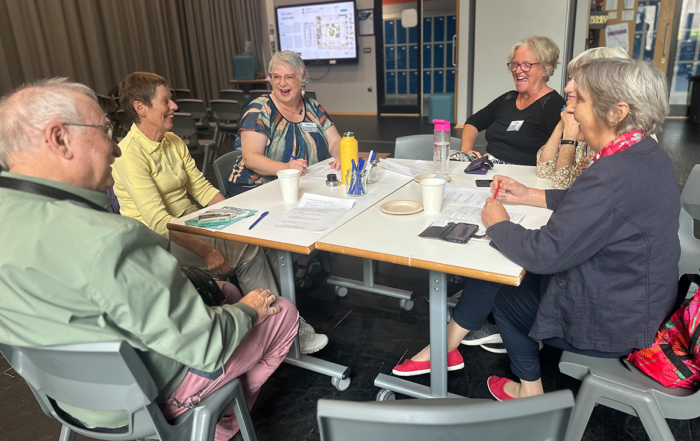
As part of the design process for Westwick Row, we’ve been working closely with a group of local residents through the Westwick Row Ideas Exchange — a panel representing the local community who have helped shape the emerging proposals.
The proposals include 75 timber-framed, all-electric homes, made up of a cohousing community and a mix of new homes for rent. They are arranged in small clusters around shared gardens, play areas, green routes and a central public square.
Homes are designed to meet ambitious sustainability targets, with embodied carbon under 300 kgCO₂/m² and operational energy use below 35 kWh/m²/yr, aligned with LETI 2030 standards. The landscape plan strengthens existing hedgerows, introduces more than 125 new trees and sets aside around 30% of the site for green and blue infrastructure, including rain gardens and space for growing food.
“This has felt like a very thorough co-design process in which our ideas and concerns were taken seriously and, where practical, adopted.”
This feedback came from a member of the Westwick Row Ideas Exchange — a group of 15 local residents who have been meeting regularly with our design and development team over the past year to help shape proposals for a new neighbourhood in Hemel Hempstead, being brought forward by TOWN in partnership with The Crown Estate.
The Ideas Exchange was created to bring local insight directly into the design process. Members were selected by the Sortition Foundation, using their algorithm to ensure the group reflects the demographic make-up of the surrounding area — a microcosm of the local community. Acting as a ‘critical friend’ to the project, the group has shared reflections on the proposals, identified opportunities and challenges, and offered feedback on everything from landscape design to street layouts and housing mix.
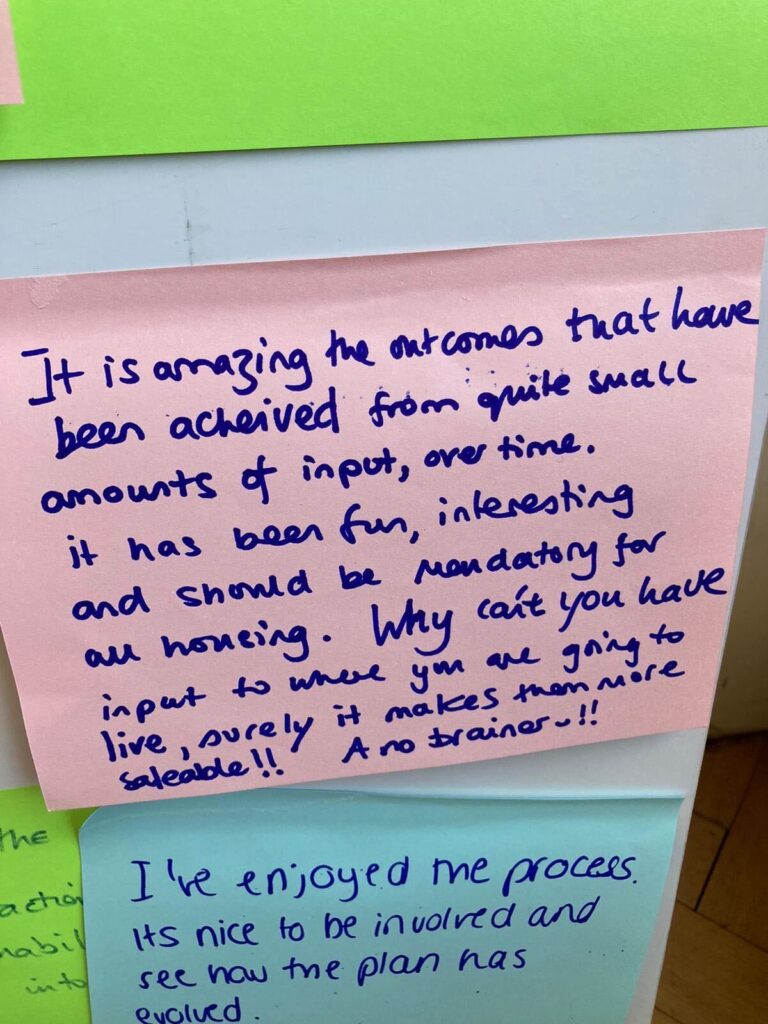
Why do we choose to engage in this way?
The Ideas Exchange is part of TOWN’s commitment to involving communities meaningfully in shaping the places we build. Unlike traditional consultation — often limited to one-off sessions or feedback forms — this approach allows for deeper, more reflective conversations over time.
By meeting regularly, participants are able to explore the project in detail, ask questions, and return with new insights between sessions. This sustained dialogue leads to stronger, more thoughtful outcomes — design shaped not only by professional expertise but by lived experience.
It also helps to broaden participation. Rather than hearing only from the loudest or most established local voices, the Ideas Exchange brings together residents with different backgrounds, perspectives and levels of prior engagement. Everyone takes part as an individual, sharing their own experience of living locally rather than representing a particular group or organisation.